Margit Halvorsen has bought thirty-one watches in seventeen years and can tell you what she paid for each of them without looking. What she cannot do, and will not do, is buy one on the day she sees it. The collection has a rule in front of it, and the rule is a camera.
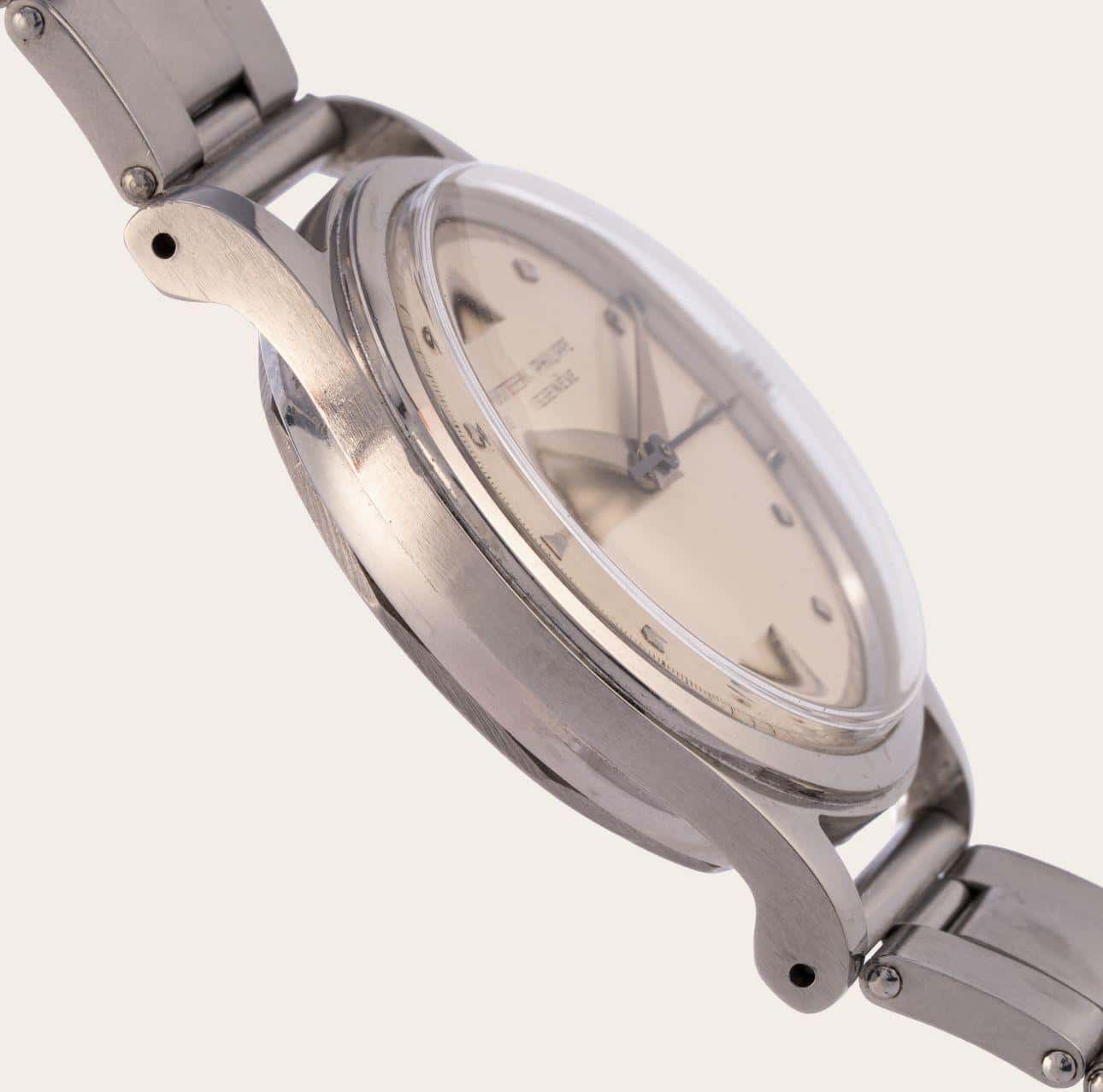
Before a piece is allowed into the binder it has to be photographed: six angles, on a grey card, in daylight, with the lug ends square to the frame. Then a page of writing about what the photographs show. Only then is she permitted to want it.
"It sounds like a system for not buying things," she says. "It is a system for not lying to myself. By the fourth photograph I usually know."
The rule, and what it is actually for
The rule started as a practical measure. Halvorsen bought a chronograph in 2011 that turned out to have a redialled face, and the seller had been honest about everything except the one thing she had not thought to ask. She wanted a procedure that would ask on her behalf.
The collection at a glance
- Pieces
- 31
- Collecting since
- 2009
- Focus
- Steel dress watches, 1945 to 1965
- Kept
- A bank vault, two streets away
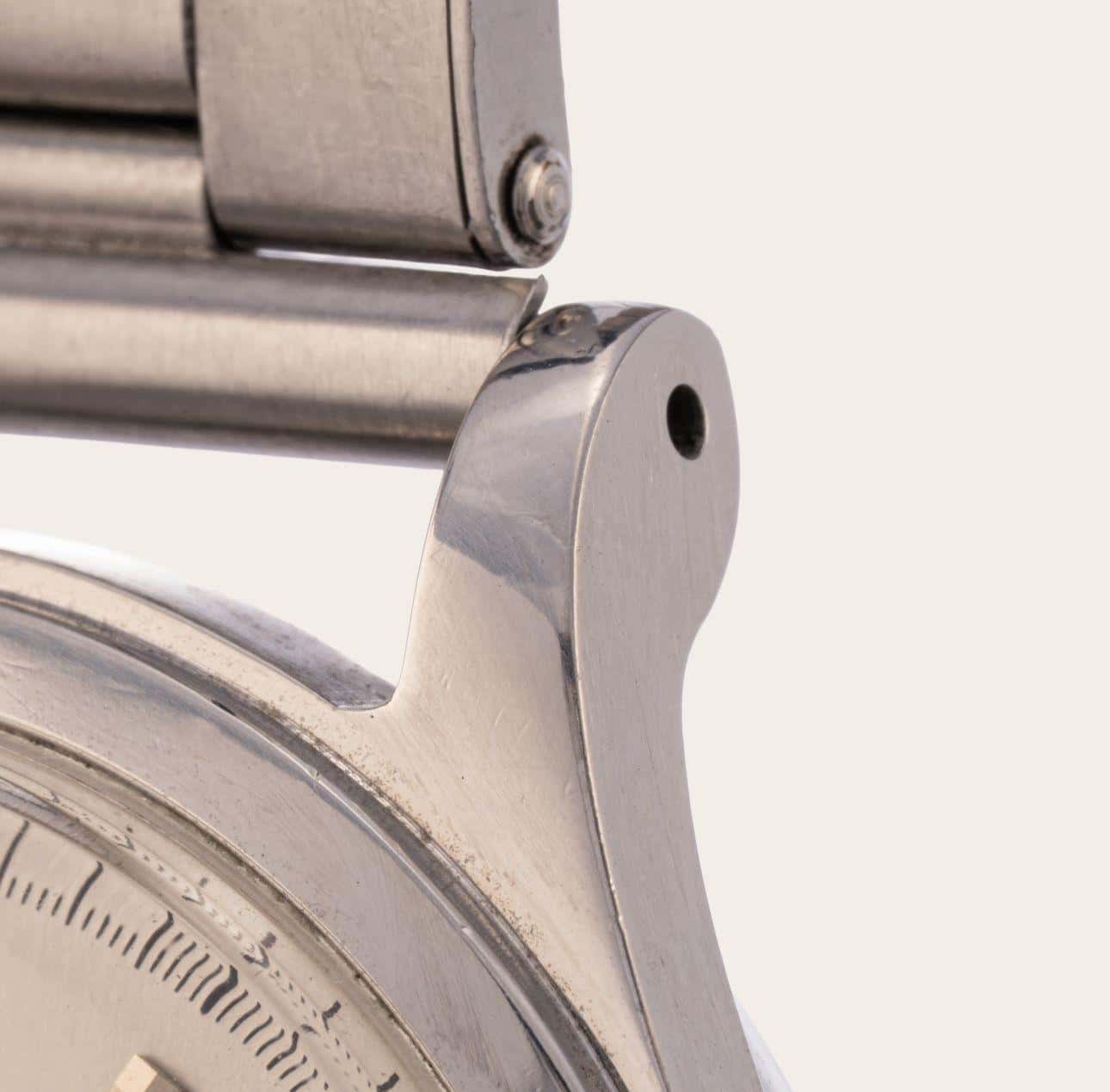
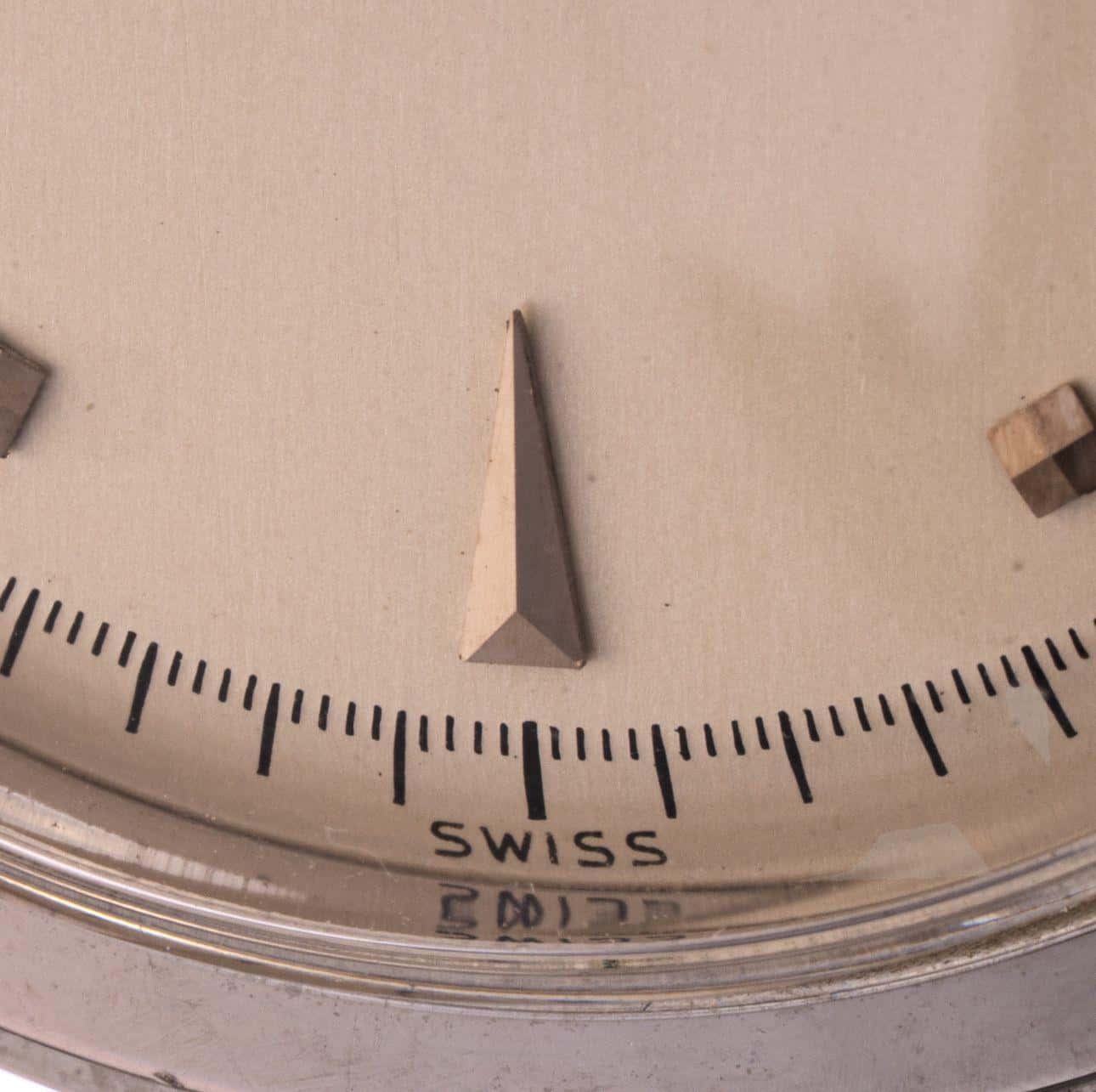
What it became is slower and more useful. A photograph taken to a standard is comparable with every other photograph taken to the same standard, so the binder is not a scrapbook. It is a set of measurements. She can put the 1958 chronograph beside the 1961 one and see that the lugs on the later piece have lost about a third of a millimetre to a polisher.

I am not documenting the watch. I am documenting what I thought of it on the day, so that I can argue with myself later.
Six angles, then a page
The angles are fixed and have not changed since 2013. She wrote them on a card that lives in the camera bag, and she reads the card every time rather than trusting herself to remember an order she has followed a hundred times.

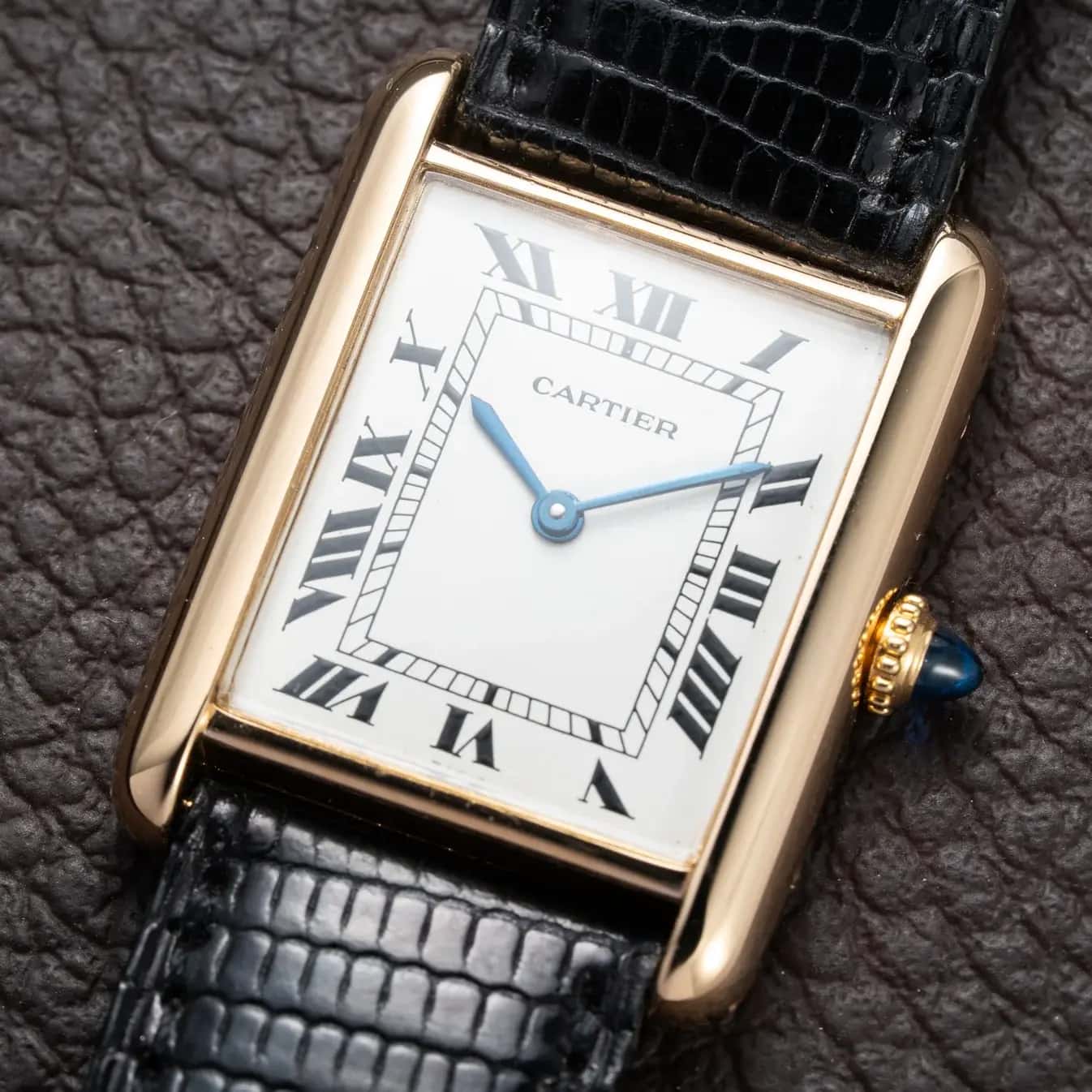
The order matters more than the list. Dial first, while she is still interested in the watch as an object, and case-back last, when she has stopped being charmed and is only checking. Reversing the two, which she did for a year, produced a run of purchases she describes as "expensive enthusiasm".
The page of writing is the part collectors ask about and the part she is least willing to shorten. It has to say what is wrong with the piece, in sentences, before it says anything about what is right.
The part nobody copies
Collectors who hear about the binder tend to adopt the photography and drop the writing. Halvorsen thinks that is exactly the wrong half to keep.
"Photographs make you feel thorough. The page is where you have to commit to an opinion, and an opinion you wrote down in March is the only thing that can contradict you in June."
What the rule costs
Two watches, by her count, and she names both without prompting. A steel calendar in 2017 that sold to somebody else while she was still writing, and a chronograph in 2022 that she photographed, wrote up, decided against, and watched appreciate for three years.
She is unsentimental about both. The calendar went to a collector she knows and she has seen it since; the chronograph, she maintains, was correctly refused on the evidence she had.
"If the rule only ever agreed with me it would not be a rule. It would be a hobby."
A collection with nothing missing from it is a collection somebody bought rather than built.
The counting is the other half of the discipline. Thirty-one is not a target and she has no intention of reaching forty; the number moves when a piece leaves, which happens roughly once every two years.
What she looks for, in the order she looks for it:
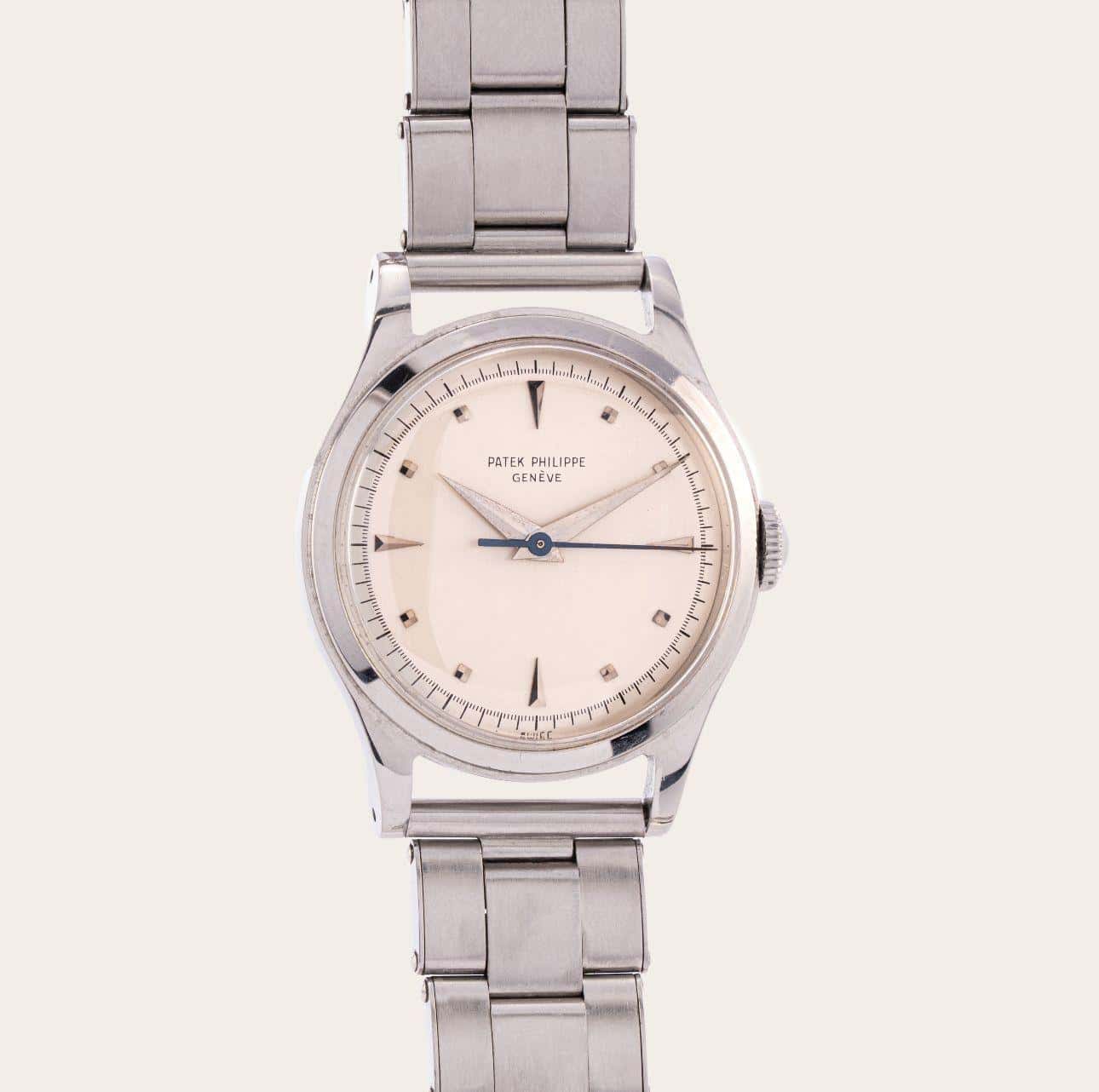
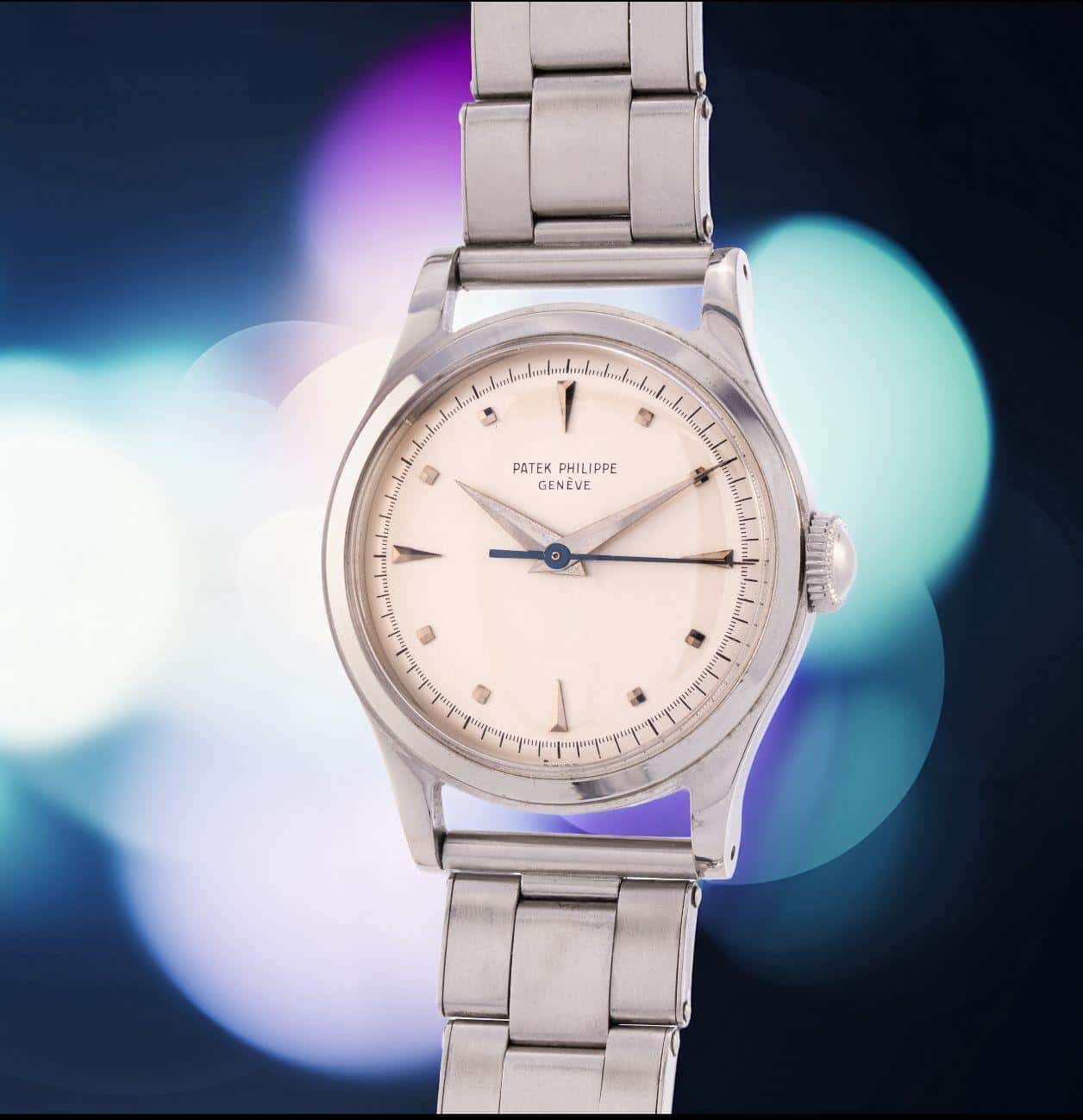
- The dial, and whether its surface is consistent from edge to edge.
- The lugs, for the crispness a polisher takes first.
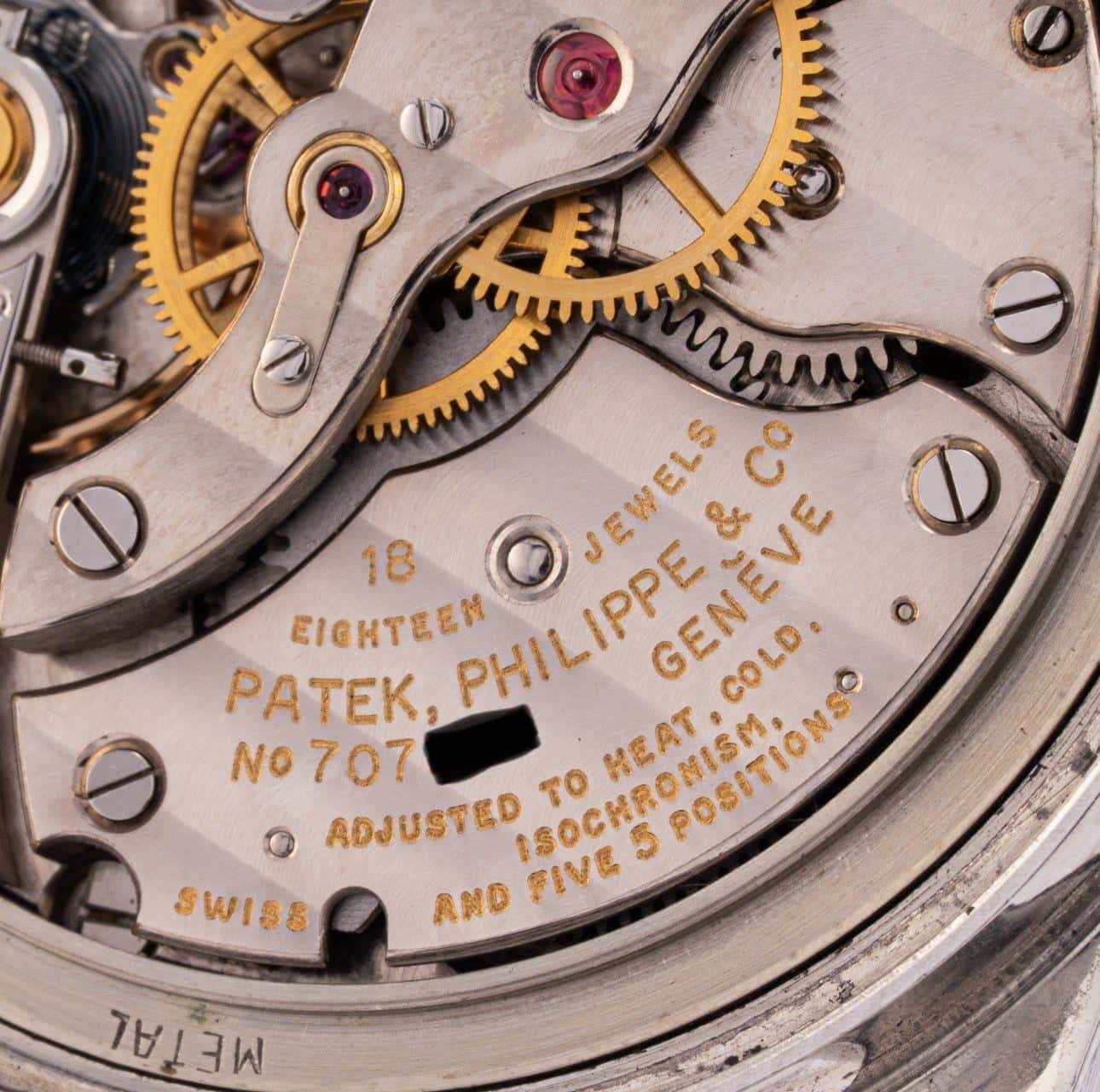
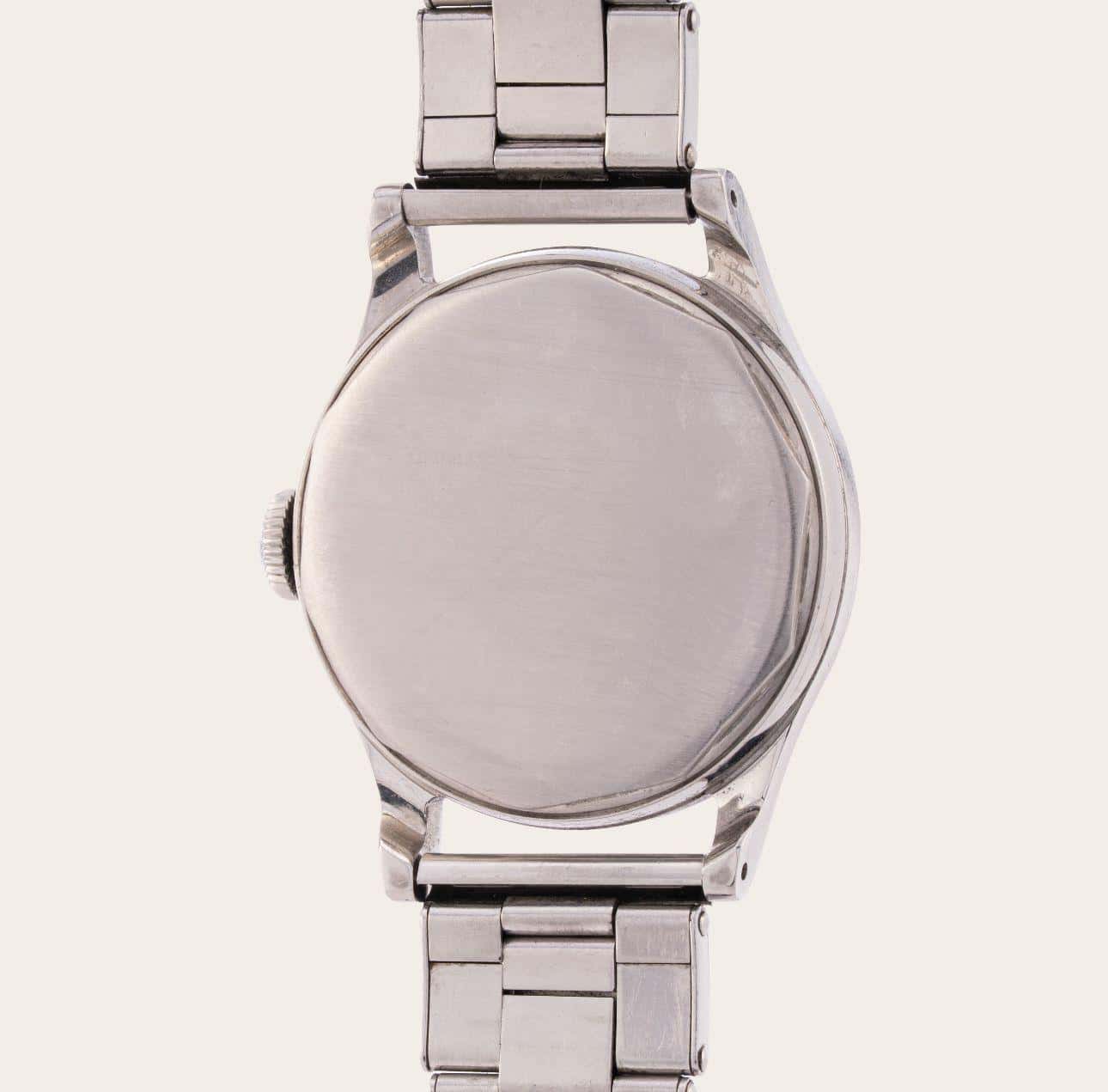
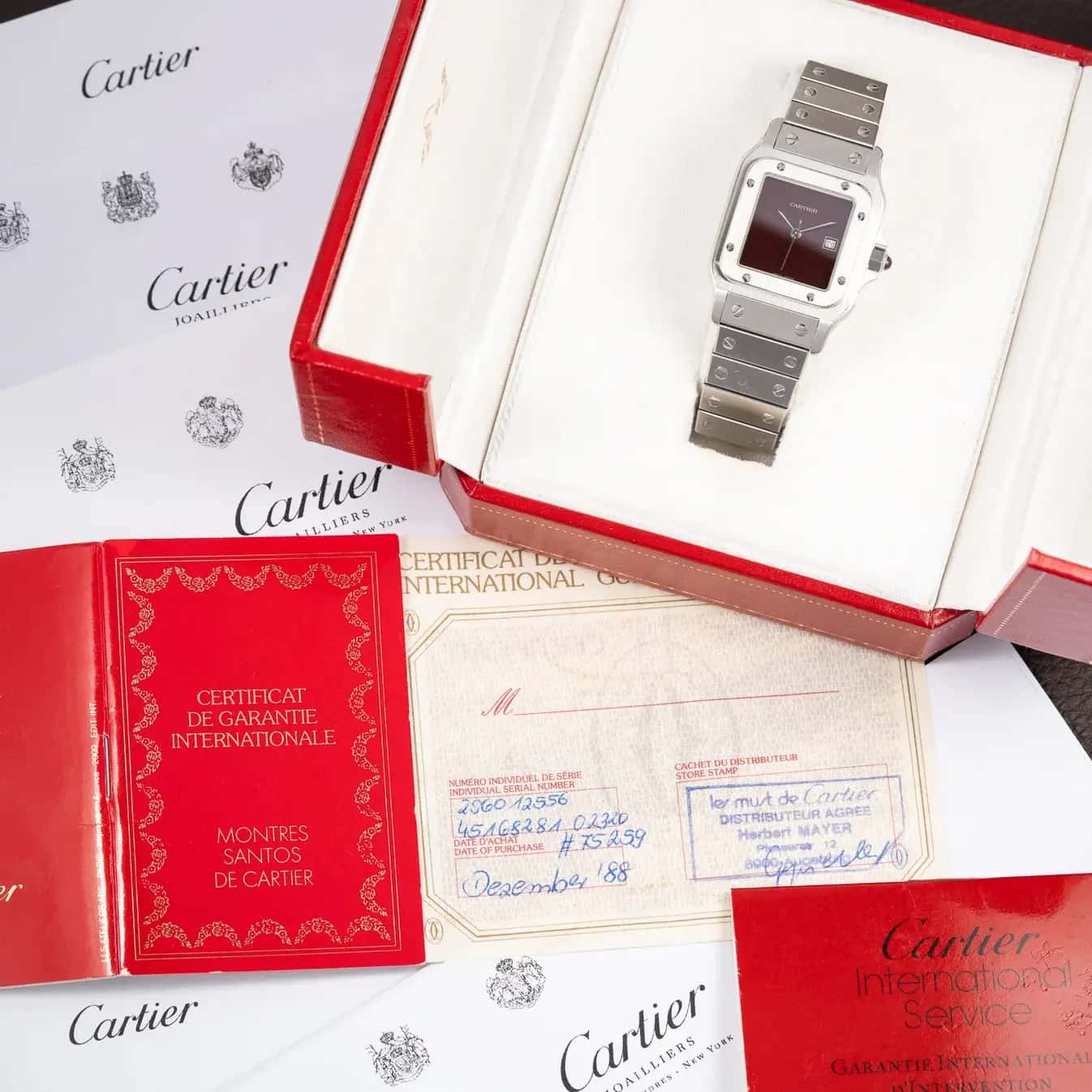
- The case-back, and whether the engraving is where the factory put it.
- The movement, against the reference it claims to be.
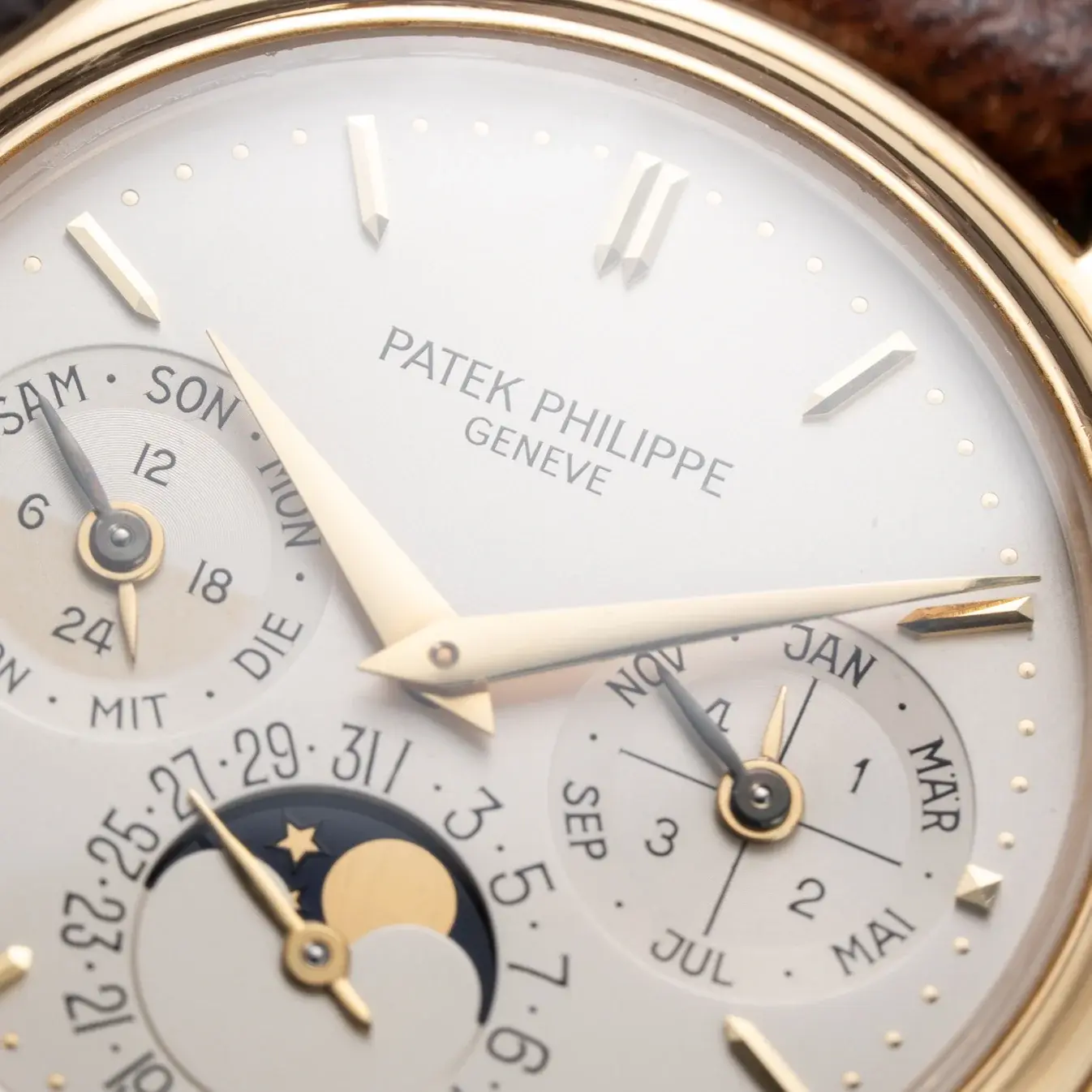
- The paperwork, last, because paperwork persuades people out of what they have already seen.
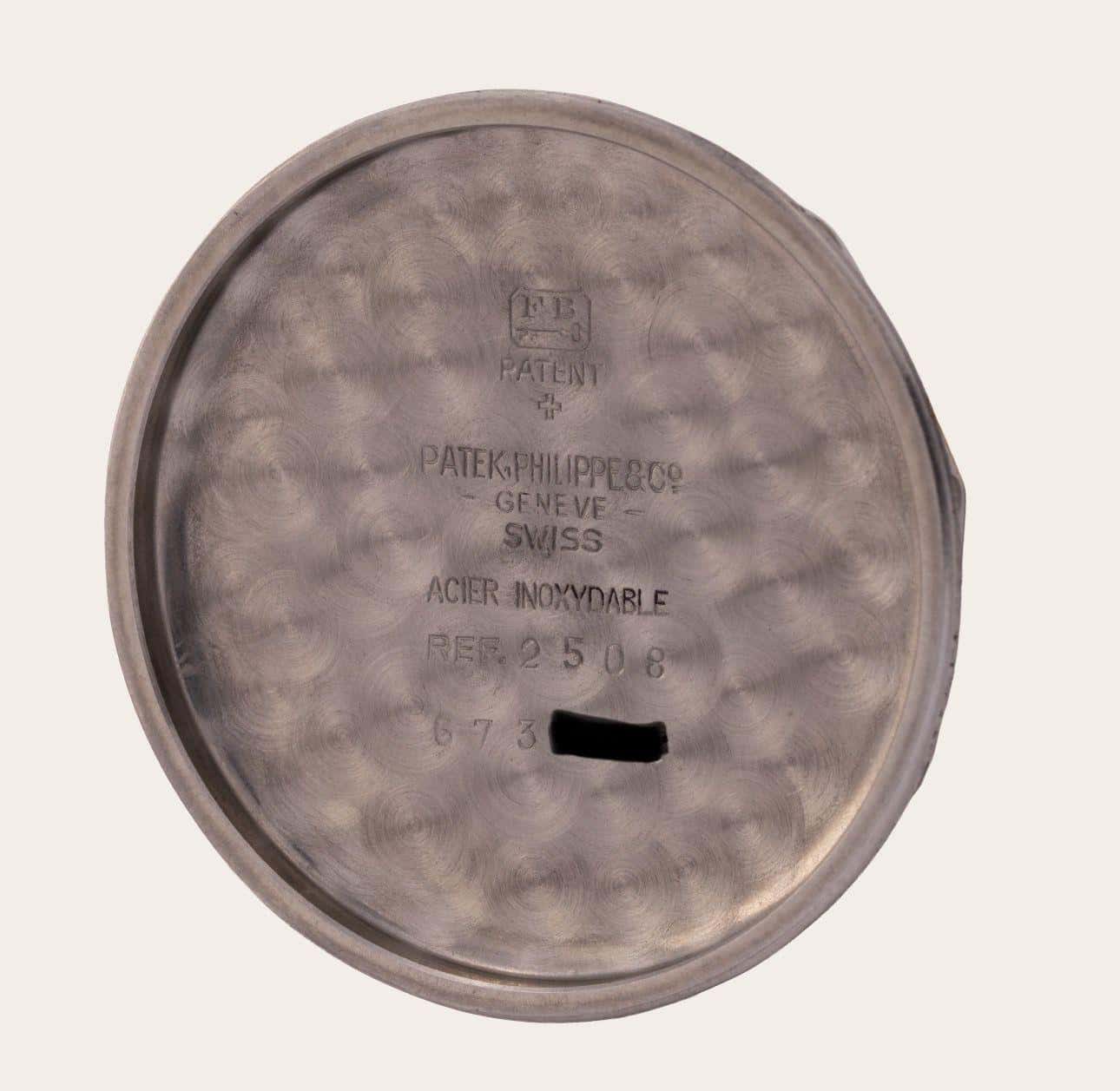
Stamps are the one place she allows herself to be quick. A case-back interior either carries the reference and the metal in the hand the factory used, or it does not, and thirty seconds settles it. Everything else in her procedure exists because it cannot be settled in thirty seconds.
The hand-engraved numbers that turn up under a lug are usually a retailer's stock code rather than a defect. Alessio Zenga's reference guide to the 2508 covers the ones that show up most often.
Where the photographs are taken
She rents an hour a week in a boathouse at the edge of town, for the north light and for the fact that there is nothing in it to knock over. The camera, the grey card and a tripod live in a case that stays in the car.

The vault is two streets from a bank she has used since she was twenty-four, and the watches live there rather than at the house. She collects what she needs for a viewing and returns it the same afternoon.
Advice, which she gives reluctantly
Halvorsen dislikes being asked how to start, on the grounds that the answer sounds like an instruction when it is only what worked once.

"Find one dealer who will tell you what is wrong with a watch before you ask. One is enough. Then buy from other people as well, so that you are not learning one person's taste and calling it knowledge."
She reads auction results the way other collectors read forums, and keeps a printed copy of the 2508 guide in the camera bag next to the card with the six angles. Results she cannot see in person she checks against the house's own archive, at Christie's and elsewhere, and treats as weaker evidence than a watch she has held.
Her rules, in her own words
- Photograph it before you decide you want it. Six angles, same order, every time.
- Write the page. Say what is wrong with the piece first.
- Keep the book small enough that you can argue about every entry in it.
- One dealer who volunteers the faults is worth six who answer questions.
- Buy from other people too, or you are collecting somebody's taste.
- When the rule and the wanting disagree, the rule has already won. Waiting only makes it expensive.
Margit Halvorsen is a fictional collector. This piece is placeholder copy, written to hold every editorial layout block in one article so that the set can be reviewed together.